August 3, 2026
The teenage years represent a pivotal phase of physical growth, emotional development, and rapid lifestyle transformations. As adolescents transition through middle school and high school, their bodies undergo significant changes while adapting to increasingly demanding daily routines. From carrying heavy backpacks between classes to spending long hours sitting in classroom chairs or hunched over electronic devices, young individuals place continuous physical stress on their growing musculoskeletal systems.
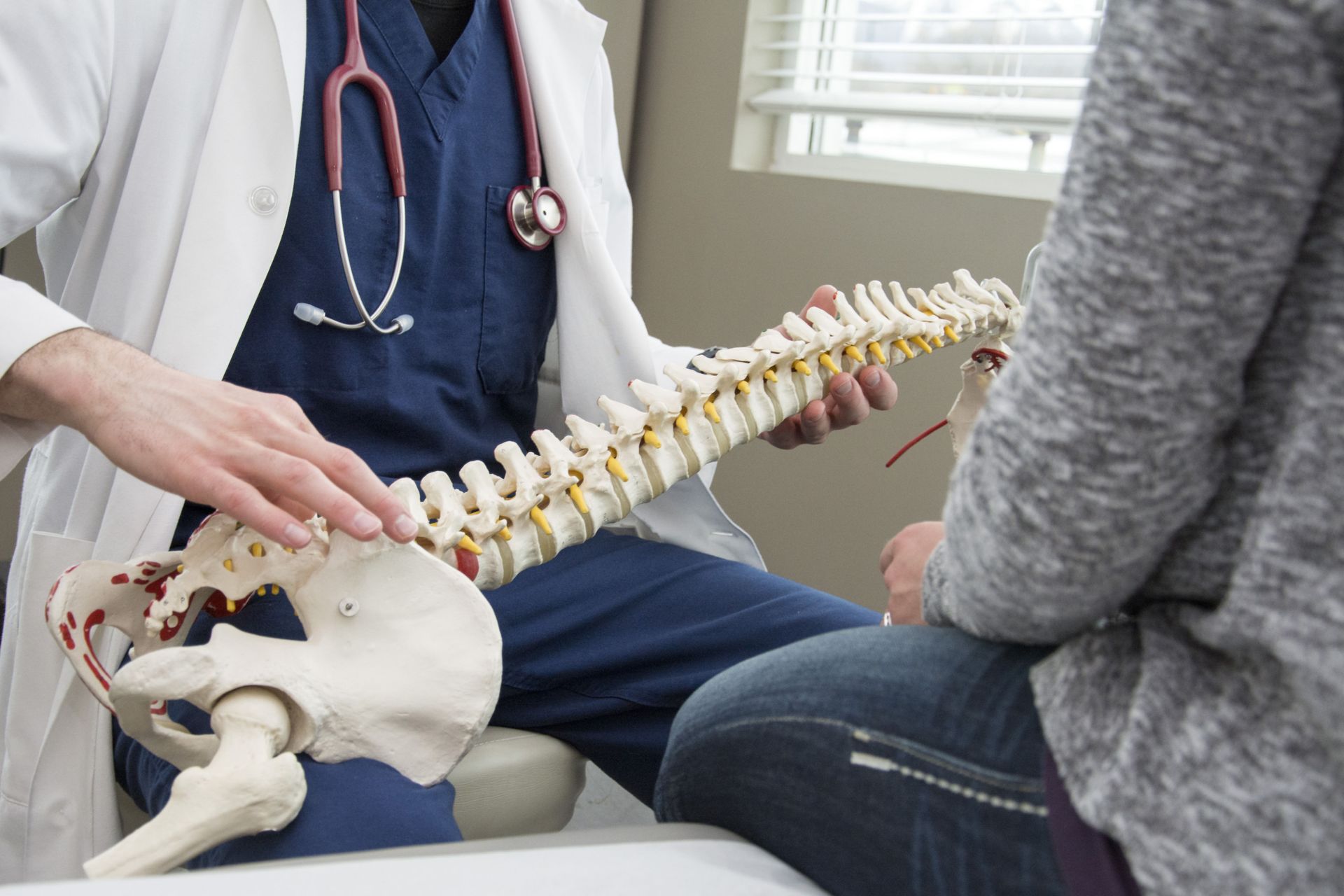
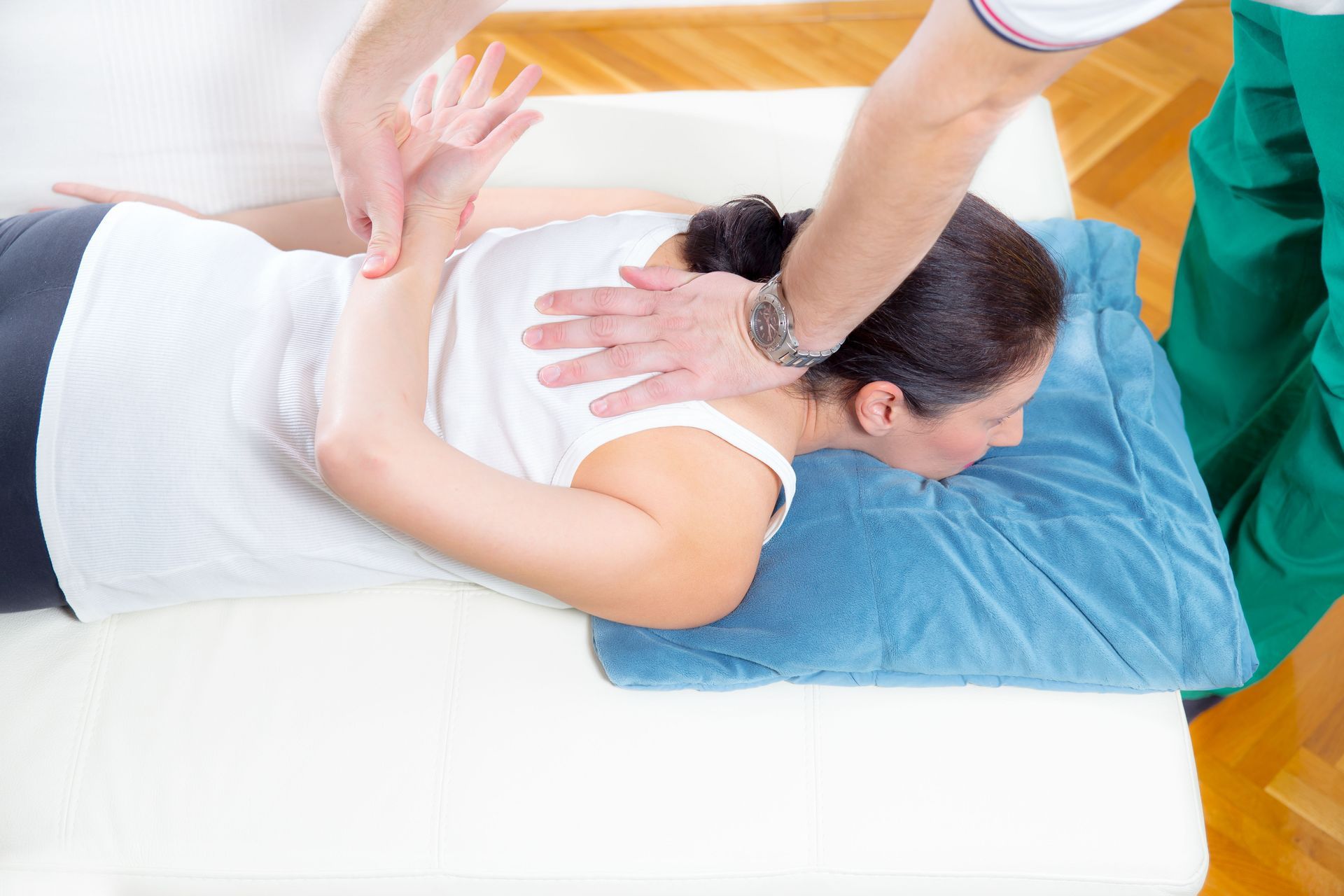
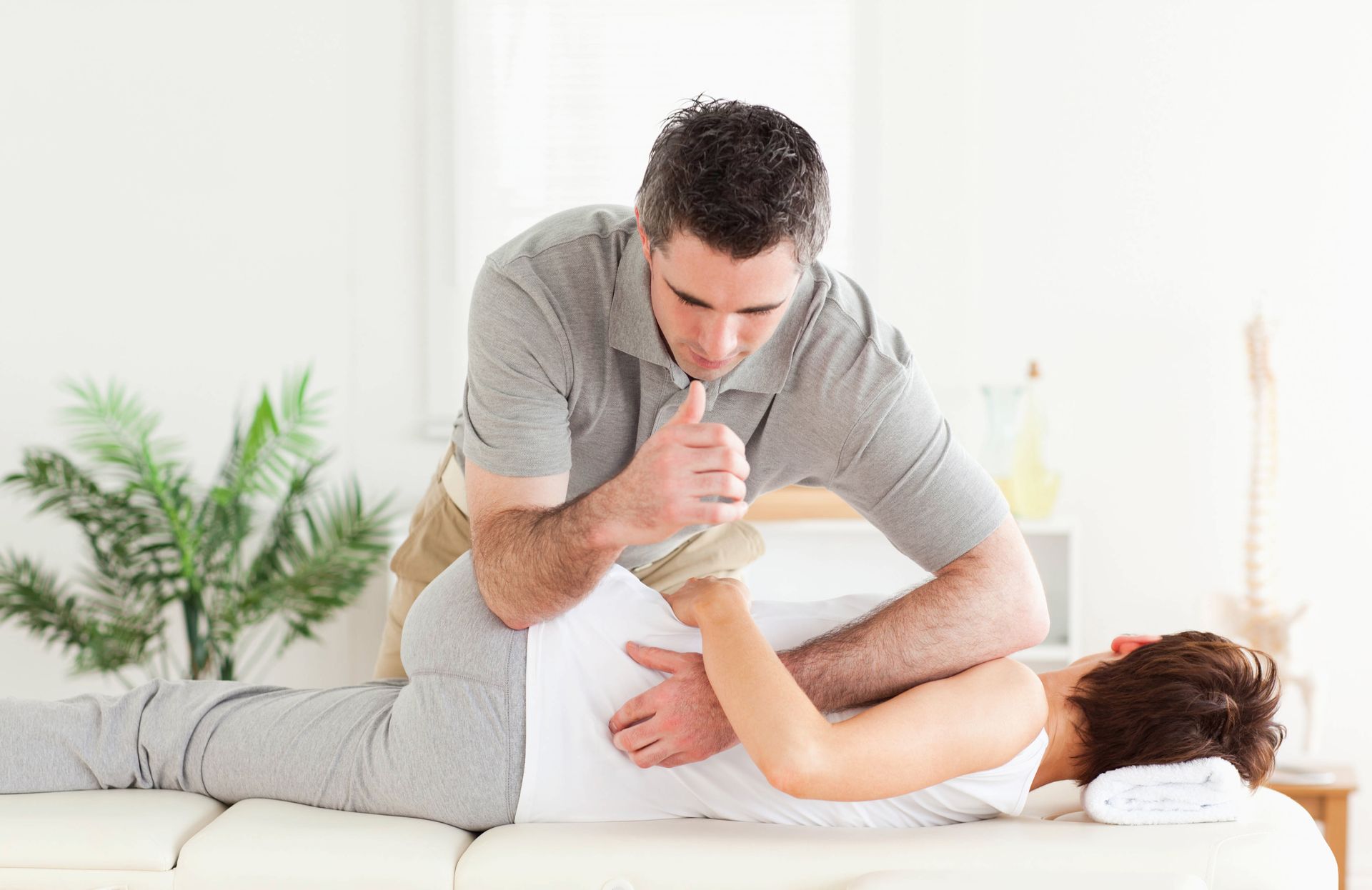
When parents notice persistent structural changes, stiffness, or functional limitations in their adolescents, exploring non-invasive physical care becomes a practical next step. Partnering with a qualified chiropractor can assist young individuals in maintaining proper structural alignment, reducing physical tension, and supporting their body’s natural capacity to handle modern daily physical stressors effectively.
1. Frequent Complaints of Back Stiffness
Adolescence is often viewed as a time of effortless flexibility, so frequent complaints of spinal stiffness or lower back discomfort should never be ignored. Teenagers frequently carry heavy backpacks filled with heavy textbooks, personal items, and electronic gear, often slung over a single shoulder. This uneven load distribution forces the spine to compensate by bending sideways, placing disproportionate strain on surrounding muscles, ligaments, and vertebral joints. Over prolonged periods, carrying unbalanced loads alters natural posture, leading to localized muscular fatigue, joint irritation, and persistent discomfort that interferes with routine daily movement.
Beyond heavy academic bags, improper ergonomics during study time or long hours spent sitting in rigid classroom chairs contribute significantly to spinal stress. When young individuals spend hours daily in seated positions without proper support, lower back muscles work continuously to maintain balance, leading to muscle spasms and restricted mobility. Consulting a professional chiropractor helps identify underlying mechanical issues, restoring balanced alignment and relieving persistent muscular tension that stems from everyday academic habits.
Physical stiffness in growing adolescents can also hinder their participation in regular recreational activities and physical education classes. When joint motion becomes restricted, the body instinctively alters its movement patterns to avoid discomfort, which can lead to secondary strain in neighboring joints. Addressing lower back stiffness early helps maintain proper biomechanics, preventing localized discomfort from evolving into broader physical limitations as adolescents continue to grow rapidly into young adulthood.
2. Persistent Postural Slouching at Desks
Modern lifestyles present unprecedented postural challenges for young individuals due to constant interaction with modern technology. Whether studying on computers, typing assignments, or using handheld electronic screens during leisure time, adolescents spend a substantial portion of their waking hours with their heads tilted forward and shoulders rounded. This classic forward-head posture drastically increases mechanical strain on the cervical spine and upper back muscles. Over time, supportive spinal structures adjust to these repeated strain patterns, making slouching feel like the natural resting state.
Persistent slouching is more than just a cosmetic concern; it structurally affects how the spine distributes weight during movement and rest. According to the American Chiropractic Association, every licensed chiropractor among the roughly 70,000 in the United States must pass four national board exams before earning state licensure. Professional practitioners understand the precise mechanical relationships between spinal posture, joint motion, and overall physical performance. When young people develop habituated forward posture, targeted adjustments and structural guidance help restore healthy spinal curves.
Addressing postural habits during adolescent years is particularly beneficial because young skeletal structures are still developing and remain highly adaptable. When postural stress is left unaddressed, rounded shoulders and forward neck position can restrict proper rib cage expansion, potentially limiting deep breathing during physical exertion. Structural evaluation and gentle care help re-align the spine, encouraging healthier posture habits during study sessions and daily digital screen interactions.
3. Recurrent Headaches After School Hours
Frequent headaches in teenagers are often attributed solely to academic stress, dehydration, or eye fatigue from screen exposure. However, structural tension originating in the cervical spine is a frequently overlooked contributor to recurrent head discomfort. When upper neck joints become misaligned or surrounding muscles experience continuous tightness due to poor desk ergonomics, pressure can build along delicate nerve pathways at the base of the skull. This tension often radiates upward, resulting in persistent tension headaches that manifest after long hours in the classroom.
Tension headaches can significantly impair an adolescent’s focus, homework efficiency, and overall emotional well-being. Rather than relying continuously on short-term temporary relief measures, identifying the underlying structural drivers of upper cervical tension provides a long-term wellness strategy. Scheduling an assessment with a trained chiropractor offers insight into whether mechanical neck strain or postural imbalances are directly contributing to frequent headache episodes after school hours.
Restoring proper cervical spinal mobility helps alleviate continuous muscular pull on sensitive skull tissues, reducing both the frequency and intensity of tension headaches. Furthermore, guidance on proper computer monitor positioning, ergonomic chair adjustments, and regular movement breaks empowers teenagers to maintain healthier physical habits throughout their academic schedules. Relieving cervical tension allows adolescents to focus on their studies without the lingering burden of physical head discomfort.
4. Uneven Wear Patterns on Athletic Shoes
Observing everyday wear and tear on a teenager's footwear can reveal valuable clues regarding their structural alignment and gait biomechanics. Inspecting the soles of their daily sneakers or athletic shoes often highlights asymmetrical patterns, such as severe wear along the outer heel of one shoe compared to uniform wear on the other. Uneven shoe wear typically indicates an altered gait cycle, pelvic tilt, or functional leg length inequality that alters how weight transfers through the feet during walking or running.
When structural misalignments exist in the pelvis or spine, the body automatically compensates by altering the angle of the hips, knees, and ankles. This compensation pattern can cause subtle changes in weight distribution, leading to premature breakdown of shoe material on one side. Partnering with a skilled chiropractor allows families to evaluate structural movement, identifying pelvic or spinal subluxations that contribute to unequal mechanical stress across lower extremity joints.
Addressing asymmetrical gait patterns during growth spurts prevents uneven stress from impacting major weight-bearing joints over time. When hips and lower spine are properly aligned, movement efficiency improves, reducing excessive friction on ankles and knees. Correcting these mechanical imbalances early helps teenagers maintain balanced physical movement whether they are walking between classes or engaging in rigorous physical training.
5. Lingering Discomfort Following Sports Practice
Ignoring post-practice discomfort or encouraging teenagers to push through sharp physical discomfort can lead to compensatory movement patterns, increasing vulnerability to future soft tissue strain. A dedicated chiropractor can evaluate joint alignment and spinal mechanics, delivering targeted care that promotes efficient tissue recovery, reduces localized joint stress, and supports optimal joint function without invasive procedures. Maintaining proper spinal and joint health supports overall athletic performance, agility, and flexibility on the field or court. When joints move smoothly through their full range of motion, young athletes perform at their best while minimizing unnecessary strain on surrounding ligaments and tendons. Supporting young athletes with structural care helps them maintain active, fulfilling lifestyles while building resilience against common athletic physical demands.
Navigating adolescence comes with unique physical challenges, but physical discomfort should not be an accepted standard for growing teenagers. Recognizing subtle signs like persistent back stiffness, habituated forward slouching, recurring after-school headaches, uneven shoe wear, and lingering post-sports strain allows parents to take proactive steps toward protecting their child's long-term musculoskeletal health. Prioritizing proper spinal alignment with a chiropractor today builds a solid structural foundation for healthy, active adulthood. If you are ready for comprehensive structural support for your growing teenager, contact us at Seaford Family Chiropractic today. We will help you identify underlying physical imbalances and support your child's journey toward comfortable, healthy daily movement.